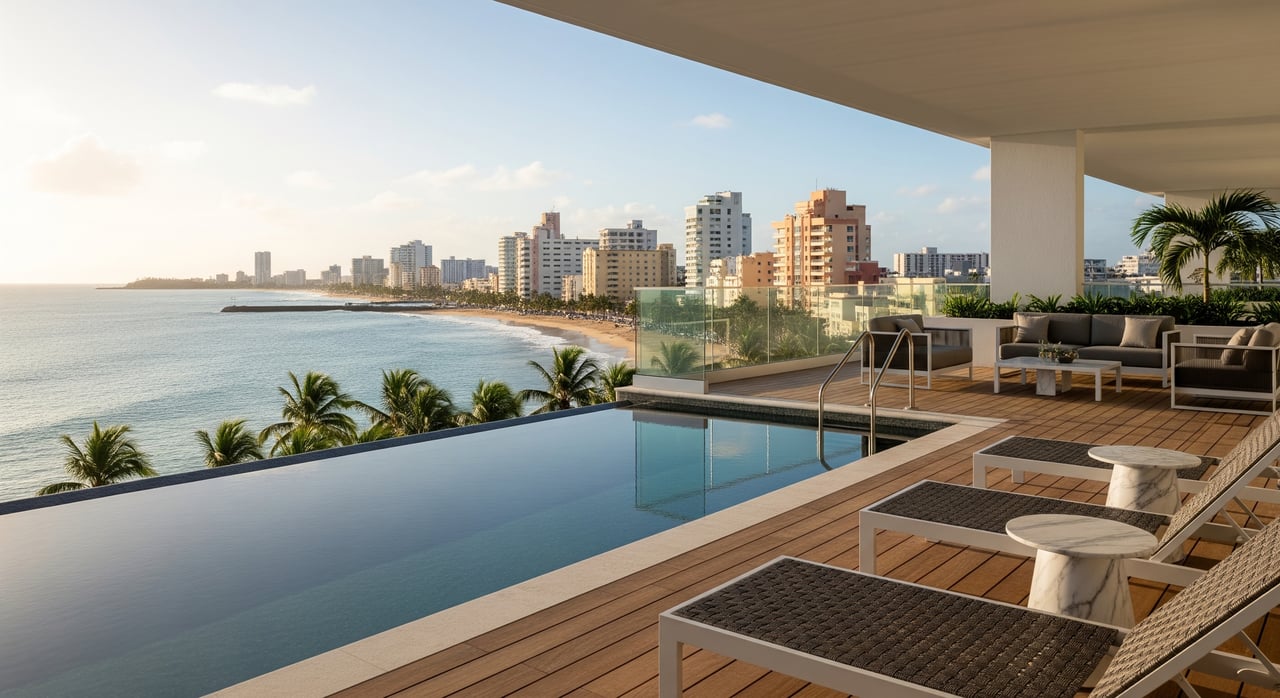
Is your eye on a beachfront condo in Condado, but the monthly association fee feels like a mystery line item? You are not alone. Buyers often focus on list price and forget that building budgets, reserves, and insurance shape both your monthly costs and your long-term peace of mind. In this guide, you will learn what fees typically cover, how reserves and assessments work in Condado’s coastal environment, and a simple way to compare buildings before you make an offer. Let’s dive in.
What condo fees cover in Condado
Your monthly fee funds the building’s day-to-day operations, long-term maintenance, and risk management. In Condado’s luxury towers, fees reflect a coastal setting and a high-service lifestyle.
Operating expenses you will see
- Staff payroll for concierge, doormen, security, and maintenance
- Utilities for common areas, including lighting, water, and climate control
- Contracts for elevators, pool and gym upkeep, and janitorial services
- Landscaping, cleaning, supplies, and basic repairs
- Professional management, accounting, legal, and bank fees
Reserves and capital planning
- Reserve fund contributions to replace major components like roofs, façades, elevators, HVAC systems, pools, and garage equipment
- Potential debt service if the association financed a past capital project
- A reputable building will budget reserves separately from operating costs so owners can track both clearly
Insurance and coastal realities
- Master insurance for common areas plus general liability and fidelity coverage
- Condado’s coastal exposure can mean higher premiums or deductibles for wind and flood
- Ongoing costs for corrosion control, waterproofing, façade sealing, and generator maintenance due to salt air and storm readiness
Why amenities change your monthly fee
Amenities and service levels drive staffing, utilities, maintenance, and insurance. A building with 24-7 concierge, valet, multiple elevators, a large pool and spa, extensive landscaping, and private access points typically carries higher recurring costs. In luxury buildings, buyers pay for reliability, convenience, and presentation. If a fee looks high, check what is bundled, such as water, parking, cable, or on-site services that reduce your separate monthly bills.
How to compare fees across buildings
You need a clear, apples-to-apples method. Start simple, then go deeper.
- Convert the monthly fee to a fee per square foot to compare different unit sizes
- Note what is included: utilities, parking, cable or internet, and on-site services
- Ask about staffing levels: 24-7 coverage versus part-time
- Review reserve contributions and recent or planned capital projects
- Check the history of special assessments in the last 5 years
A quick worksheet for your tours:
- Fee per square foot and what is included
- Reserve funding in the current budget and reserve balance trend
- Amenities that require heavy ongoing maintenance
- Insurance deductibles and coverage notes for hurricane and flood
- Any current or pending assessments
Reserves, studies, and special assessments
A strong reserve fund protects owners from surprise costs. Adequate reserves pay for predictable replacements and major repairs so the board does not need to levy a large special assessment.
- Reserve study: A professional analysis that inventories building systems, estimates their remaining life, and recommends annual funding. Many associations commission a full study every five years with annual updates.
- When assessments happen: Storm damage beyond insurance, deferred maintenance, system failures like elevators, code upgrades, or large projects that reserves cannot fully cover.
- Approval rules: Your building’s declaration and bylaws govern how special assessments are proposed and approved, what notice is required, and whether owner votes are needed. Review these details before you commit.
Tip: A recent reserve study plus a documented funding plan is a green flag. A thin reserve with frequent assessments is a risk signal.
Reading bylaws and budgets before you buy
Request key documents early in your contingency period and read them with care. This is where you see how the building is actually run.
- Foundational documents: Declaration and bylaws with amendments
- Financials: Current operating budget, latest reserve study, last 2-3 years of financial statements and bank statements
- Meetings: Board and owner meeting minutes for the last 2-3 years
- Insurance: Master policy declaration pages and deductibles
- Contracts: Management agreement and major vendor contracts
- Other: List of pending assessments, litigation disclosures, rental rules, recent engineering reports and permits
What to scan first:
- Assessment rules: How regular fees are calculated, due dates, late fees, lien rights
- Special assessment procedures: Quorum and voting thresholds, emergency powers
- Reserves: Any required funding targets or policies
- Rentals: Rules for leases and short-term stays
- Budget clarity: Separate lines for operating vs reserves, and notes on one-time costs
Red flags vs green flags in Condado buildings
Every building has a story. Use these signals to read it quickly.
Red flags
- No reserve study or very low reserve balance
- Frequent or large special assessments
- Pending litigation with significant exposure
- High insurance deductibles without a clear strategy
- High delinquency or collection issues
- Repeatedly deferred maintenance in minutes or reports
Green flags
- Recent professional reserve study with an active funding plan
- Steady reserve growth year over year
- Transparent, line-item budgets and clear financial statements
- Professional management with stable vendor relationships
- Minimal assessment history and timely capital work
- Insurance coverage aligned with coastal risk and building systems
How fees influence resale value
Fees are not good or bad on their own. What matters is the value behind them.
- Justified fees: Strong services, proactive reserves, and reliable operations support higher values and attract buyers seeking turnkey living.
- Problem fees: High fees that cover inefficient operations or patchwork fixes can deter buyers and delay appreciation.
- Financing: Some lenders review building reserves, insurance, and project eligibility. Healthier associations can make financing and resale smoother by meeting common underwriting expectations.
- Insurance exposure: High deductibles or gaps can shift costs to owners after storms, which affects buyer confidence.
- Rental policy: Short-term rental flexibility can appeal to investors, while stricter policies may appeal to owner-occupants. Align rules with your plan for use and holding period.
Smart negotiation and planning tips
When your diligence turns up known projects or pending assessments, you can often structure a fair solution.
- Ask for a seller credit, escrow holdback, or contribution toward a published special assessment
- Confirm timing and amounts for any planned capital projects within 2-5 years
- Build a post-purchase plan for expected fee increases and reserve funding
- Consult a condo-focused attorney for document review during contingencies
A calm, document-led approach helps you secure the right home and avoid surprises.
Your next step in Condado
Buying in Condado is about more than a view. It is about comfort, reliability, and the way a building is managed over time. With the right documents and a clear fee comparison, you can choose a residence that fits your lifestyle and protects your investment. If you want a curated shortlist and guidance on budgets, reserves, and resale dynamics, connect with Aileen Beale Real Estate for a private consultation.
FAQs
What do Condado condo association fees usually include?
- Staff payroll, common-area utilities, maintenance contracts, management, insurance for common areas, and reserve contributions for long-term replacements.
How do reserves reduce special assessments in Condado buildings?
- A well-funded reserve pays for major repairs and replacements, which lowers the likelihood and size of surprise special assessments.
What is the best way to compare fees between two Condado condos?
- Normalize by fee per square foot, list what is included, review reserve funding and assessment history, and compare staffing and amenities side by side.
Which condo documents should I review before buying in Condado?
- Declaration and bylaws, current budget, reserve study, recent financials and minutes, insurance summaries, vendor contracts, and any assessments or litigation disclosures.
How do hurricanes affect Condado condo insurance and fees?
- Coastal risk can raise premiums and deductibles, and post-storm repairs may trigger assessments if losses exceed insurance or reserves.
Are short-term rentals allowed in Condado condos, and do they impact fees?
- Rules vary by building, and rental policies can influence services, staffing, and owner preferences, which affect budgets and buyer demand.
Can I negotiate a pending special assessment when buying a Condado unit?
- Yes, buyers often request seller credits or escrow contributions to offset known or published assessments as part of the purchase terms.