Deciding between a private estate and a lock-and-leave condo in Dorado can feel like two different versions of island living. You want the right balance of privacy, convenience, and access to the Dorado Beach lifestyle without surprises. In this guide, you’ll see the clear differences between Dorado Beach East–style estates and Plantation Village–style condos, plus the due diligence steps that matter most in coastal Puerto Rico. Let’s dive in.
Key differences at a glance
- Privacy and space: Estates offer larger lots, private pools, and greater separation. Condos offer smaller private spaces with shared amenities and social areas.
- Maintenance and convenience: Estates require owner-managed vendors for home, yard, and pool. Condos centralize building systems and services for easier lock-and-leave living.
- HOA structure: Condos handle more day-to-day operations and reserves. Estate HOAs focus on gates, roads, and community landscaping while owners maintain private systems.
- Resort access: Some estates have private or preferential resort access; condos often include or facilitate amenity programs. Always verify the exact rights, fees, and transfer rules.
- Risk and insurance: Both face coastal hurricane and flood exposure. Confirm master policy deductibles, unit coverage needs, and flood zone details.
Home types and ownership
Dorado Beach East model
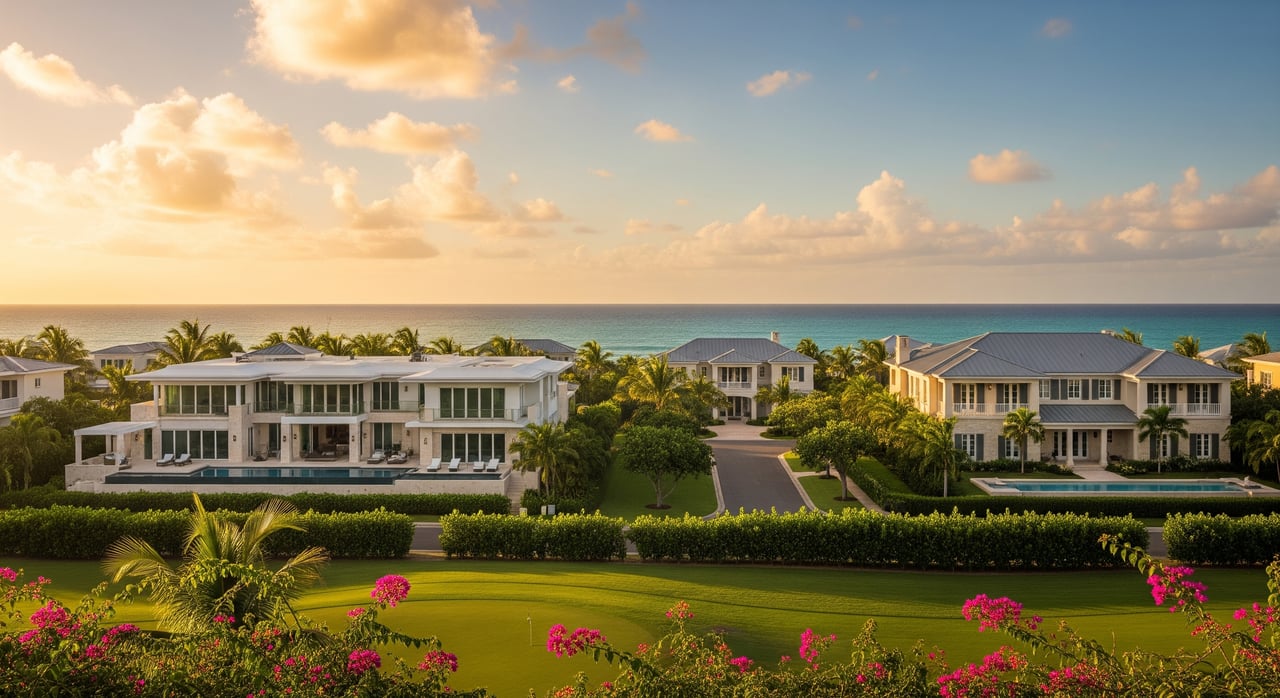
In an estate enclave, you typically own a fee simple lot or a single-family parcel within a gated plan. Homes are detached with private pools, garages, and more yard space. You have more freedom to customize, subject to architectural guidelines and design review.
Plantation Village model
In a village or condo setting, you own a unit within a horizontal property regime with shared walls and common elements. Buildings are low-rise or stacked condos with balconies or patios rather than large yards. The association manages exteriors and common systems, which simplifies day-to-day ownership.
What to confirm on a listing
- Exact ownership form and boundaries.
- Architectural limits on expansions, colors, and finishes.
- Condo percentage ownership of common elements and voting rights.
Amenities and resort access
Resort privileges to verify
Do not assume access to beach, spa, golf, or dining is automatic. Confirm whether rights are deeded, membership based, or unit-type restricted, and whether they are transferable. Ask about guest policies, registration, and any fees for visitors.
On-site amenities
- Estates: Private pools, guest casitas, garages, sometimes private pathways and gates.
- Condos: Shared pools, fitness facilities, concierge or front desk, landscaped courtyards, clubrooms, and on-site maintenance.
Services and parking
Confirm availability of concierge, housekeeping, and rental management. Clarify parking format, assigned spaces, guest policies, and enforcement. In peak season, check gate traffic and visitor procedures in practice.
HOA governance and fees
Condo governance
Condo associations operate under a declaration, bylaws, and rules and regulations. They manage building envelopes, common systems, and funded reserves. Expect a set monthly fee that can be subject to special assessments if reserves are low.
Estate HOA governance
Estate communities rely on CC&Rs, bylaws, and architectural guidelines. Associations handle gates, roads, community lighting, and landscaping. Owners are responsible for private home systems and service contracts, which can raise annual ownership costs.
Documents to request
- Current year budget and financial statements.
- Reserve study and funded level.
- Board meeting minutes for the last 12 to 24 months.
- CC&Rs or condo declaration, bylaws, rules, and rental restrictions.
- HOA insurance summary and deductible schedule.
- Certificate of no liens and statement of assessments.
- Parking policy, guest policy, and enforcement procedures.
- For condos: maintenance matrix showing owner vs. association responsibilities.
Insurance, hurricane and flood
Master vs. unit policies
Many associations carry a master policy with large wind or named-storm deductibles. Understand how deductibles are allocated if a loss occurs. Owners typically need an HO-6 policy for condos or a full homeowner policy for estates, plus separate wind and flood coverage.
Mitigation standards
Some communities require impact glass, shutters, or specific roofing standards. Confirm replacement standards and vendor requirements before you renovate.
Flood zones and elevation
Verify FEMA flood zone, elevation certificates, and availability of private flood insurance. Ask for historical claims and any known storm impacts at the property and building level.
Lifestyle, privacy and security
Privacy and scale
Estates deliver walled courtyards, private driveways, and more separation from neighbors. Condos foster a more social environment with shared circulation and public-facing amenities. Choose the setting that best matches your day-to-day rhythm and hosting style.
Security and access control
Most luxury communities are gated with 24/7 staffing. Verify guard staffing levels, camera coverage, and visitor protocols. During high season, observe gate queues and circulation to understand real-world access.
Staffing and vendors
Condos often include on-site teams for front desk and maintenance. Estates typically require separate contracts for landscaping, pool service, pest control, and housekeeping. Consider how often you will be on-island and how much you prefer to outsource.
Ongoing costs beyond HOA
- Property taxes and municipal obligations.
- Wind, hurricane, and flood insurance premiums.
- Utilities, generator fuel, and any sewer or septic fees.
- Private pool, roof, and HVAC upkeep for estates.
- Potential special assessments in condo buildings.
Market context and liquidity
Inventory in resort micro-markets can be limited and cyclical. Ask for months of supply, closed sales from the last 12 months, typical marketing times, and any off-market opportunities. Expect estates to trade on privacy and lot scale, while condos price by view, floor, and amenity package.
Due diligence checklist
- Confirm ownership form and exact parcel or unit boundaries.
- Obtain association governing docs, financials, reserve study, minutes, and insurance summary.
- Verify resort access terms, transferability, and fees.
- Confirm rental permissions and minimum lease periods.
- Request special assessment history and any litigation disclosures.
- Review seller invoices for utilities, maintenance, and vendor contracts.
- Check master and unit insurance deductibles and prior claims.
- Confirm FEMA flood zone, elevation certificate, and flood insurance quotes.
- Review architectural controls and local permitting timelines.
- Engage local counsel for title search, survey, and guidance on Puerto Rico tax and residency considerations.
- Request closed comps and days on market by sub-community type.
Which option fits your goals
Choose a Dorado Beach East–style estate if you want privacy, a larger footprint, and the freedom to customize. It suits owners who prefer private pools, garages, and grounds, and who do not mind coordinating vendors. It is a strong match if your priority is a quiet, private retreat with room to entertain.
Choose a Plantation Village–style condo if you value convenience, services, and easy upkeep. It suits seasonal owners and frequent travelers who want amenities and building staff on site. It is a strong match if you prefer a social setting and predictable building operations.
Your next move
A curated purchase in Dorado starts with clarity on access, governance, and risk. If you want a discreet, design-forward advisory process and on-the-ground due diligence support, connect with Aileen Beale Real Estate for a private consultation. We will help you evaluate estates and condos side by side, assemble the right documents, and position you for a confident decision.
FAQs
What is the key difference between estates and condos in Dorado?
- Estates emphasize private lots, pools, and customization, while condos emphasize shared amenities, building services, and lower-maintenance ownership.
How does Dorado Beach resort access typically work?
- Access can be deeded, membership based, or restricted by unit type, so always verify rights, transferability, guest policies, and fees for the specific property.
Which HOA documents should I review before making an offer?
- Request the budget, financials, reserve study, meeting minutes, governing documents, insurance summary, and rules covering parking, guests, and rentals.
How do hurricane and flood risks affect ownership costs?
- Master policy deductibles for wind can be high, and you may need separate wind and flood coverage, so understand deductibles, flood zone, and mitigation requirements.
Are short-term rentals allowed in these communities?
- Rules vary by association and may limit minimum stays or require approvals, so confirm rental permissions before relying on rental income.
What ongoing costs should I expect beyond HOA dues?
- Budget for insurance, utilities, property taxes, and for estates, private pool and system maintenance, plus potential special assessments in condos.