Ask for the median home price in Palmas del Mar and you'll get a clean number: roughly $580,000 as of the first quarter of 2026, up 5.8 percent year over year. It's a real figure, and it tells you the community trades well above Puerto Rico's island-wide median of about $385,000. What it doesn't tell you is which Palmas del Mar you're buying into, because there isn't just one.
The community holds 32 distinct neighborhoods inside its gates, and the spread behind that median is wide enough to make the number almost decorative. Active listings run from roughly $410,000 to $8.495 million, with price per square foot ranging from about $213 to $1,300. A golf-course condo and a marina-front villa can share a median without sharing a single meaningful characteristic. The real work of buying in Palmas del Mar starts after you set the median aside and ask a more specific question: which regime, what does it cost to hold, and what am I actually allowed to do with it.
What $580,000 Actually Spans
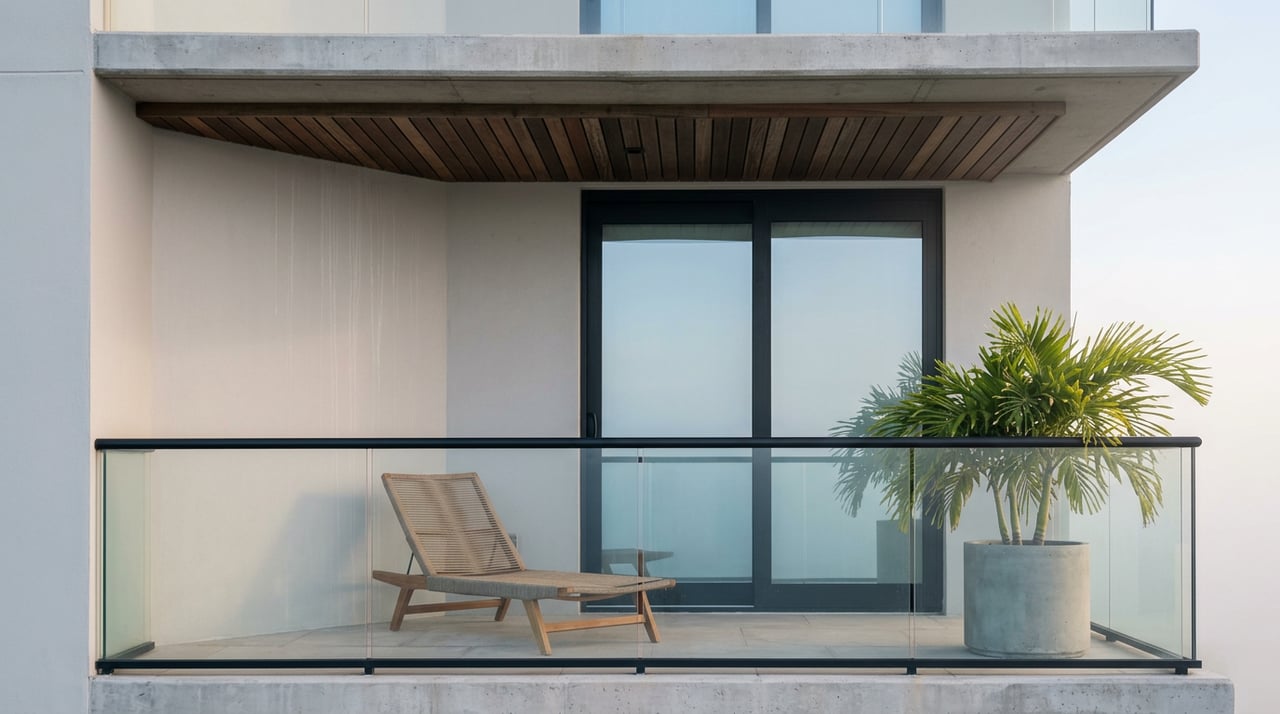
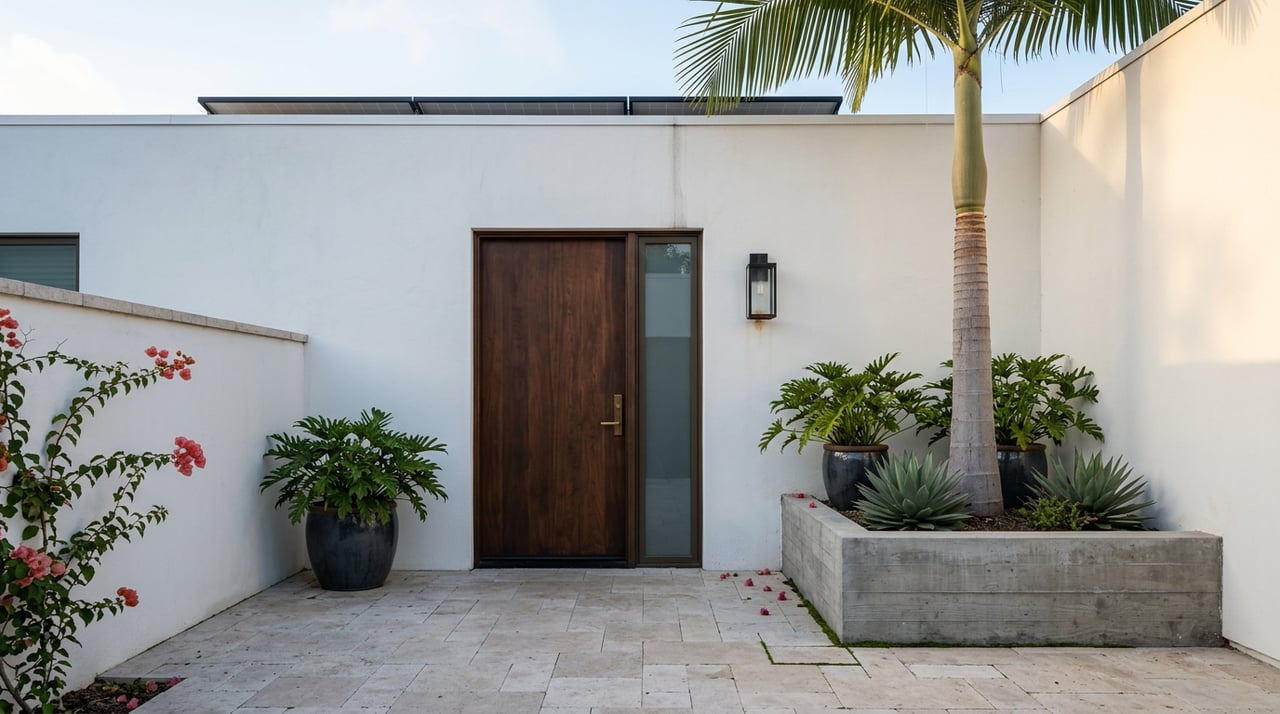
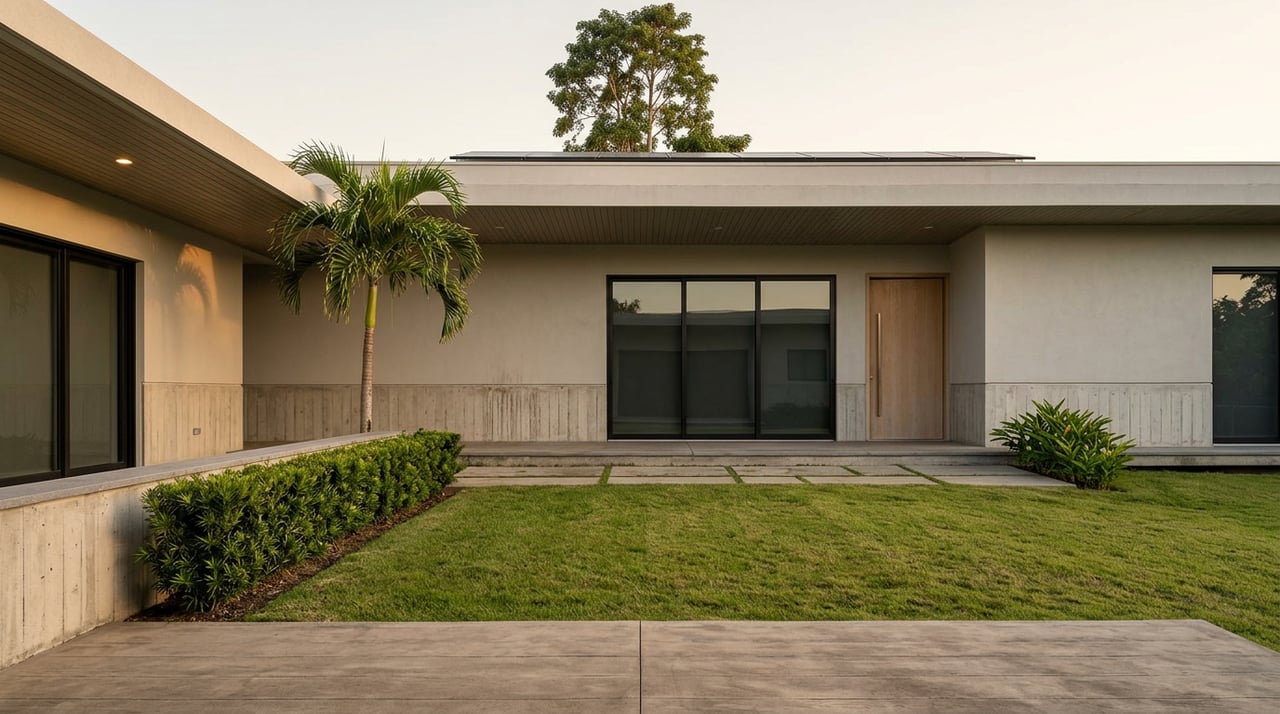
Entry-level condominiums in the golf-course neighborhoods start in the $300,000s. At the other end, beachfront estates, marina-front villas, and custom hillside homes in areas like The Estates regularly clear $1.5 million to $3 million, with the very top of current inventory reaching into the $8 million range. A median calculated across that range is a statistical convenience, not a description of any particular home.
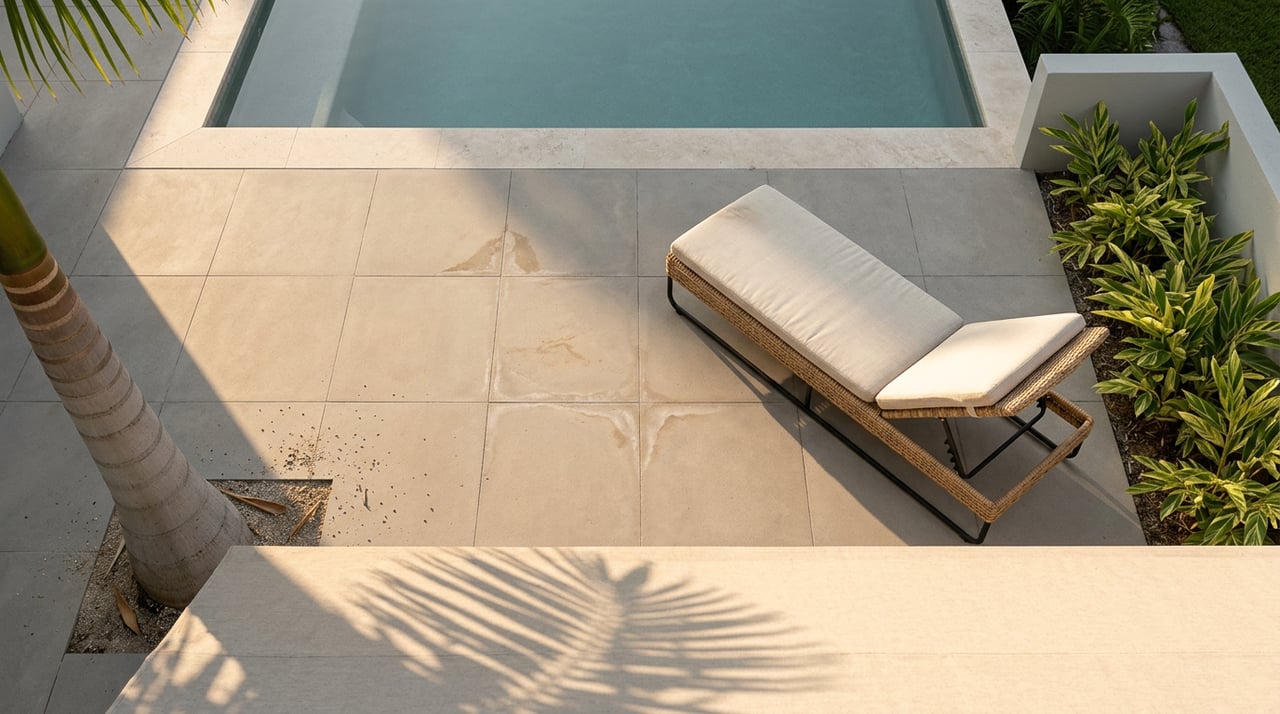
This matters more in Palmas than in most Puerto Rico coastal markets because the community is genuinely self-contained. Residents have access to 36 holes of golf across two courses, a 20-court tennis center, an equestrian center that's rare for a Caribbean resort community, a marina, and roughly 16 restaurants centered on the walkable Village at Palmas. Two owners paying close to the same median price can be buying into completely different lifestyles depending on whether their regime sits on the golf side, the beach side, or the marina.
The Bill Under the Bill
Every property owner in Palmas del Mar pays into two separate fee structures, not one. The first is the community-wide Palmas Homeowners Association fee, which funds the amenities that make the whole development function: 24/7 gated security, golf course upkeep, marina operations, and the equestrian center. The second is a neighborhood-regime fee, assessed separately by whichever of the 32 sub-neighborhoods a property sits in, covering things specific to that pocket of the community, such as a private pool, condominium building maintenance, or additional landscaping.
Quoted ranges for these fees vary depending on the source and how recently a regime updated its budget. Some documentation puts the master association fee in the $200 to $400 per month range, with regime fees adding another $100 to $300 per month on top. Other current guidance frames the baseline maintenance assessment as an annual figure closer to $1,300 per residential unit or $1,040 per lot. The discrepancy itself is the lesson: there is no single Palmas HOA bill you can quote with confidence, because the number depends on which regime you're evaluating and when that regime last filed its budget.
| Fee layer | What it funds | Set by |
|---|---|---|
| Palmas Homeowners Association (master) | Security, golf maintenance, marina operations, equestrian center | Community-wide governance |
| Neighborhood regime | Pool, building maintenance, landscaping specific to that pocket | Individual regime board |
A listing sheet will show you the purchase price. It will not reliably show you both bills, and it almost never shows you the regime's rental bylaws, which is where the second-home and investor calculation actually gets made.
Where the Rental Question Actually Gets Decided
For a buyer thinking about vacation-rental income, the master HOA is close to irrelevant. The regime is everything. Rental rights in Palmas del Mar are set at the individual neighborhood level, not community-wide, and some regimes prohibit short-term rentals outright regardless of what the master association allows. A property can be perfectly legal to buy and still be off-limits for the income strategy that justified buying it.
This sits on top of Puerto Rico's island-wide short-term rental framework, which applies no matter which regime you're in. Anyone renting for stays under 90 days is classified as operating a commercial lodging business, required to register with the Puerto Rico Tourism Company as an innkeeper and to collect a 7 percent room occupancy tax. As of mid-2026, Senate Bill 238, which would create a centralized municipal registry and a more uniform island-wide licensing framework, remained pending in the Legislature. That bill hadn't been enacted as of this writing, and serious investors should treat the regulatory environment as a moving target rather than a fixed rulebook.
For a Palmas buyer, though, the more immediate constraint isn't Senate Bill 238. It's the regime's own governing documents. Two condos in different neighborhoods, priced identically, can produce entirely different outcomes for someone planning to lease the unit part of the year.
Why Act 60 Buyers Keep Choosing a More Complicated Fee Structure
Given the added complexity, it's worth asking why Palmas del Mar remains one of the more consistently chosen communities for Act 60 relocators. The answer has less to do with the tax incentive itself and more to do with what the community can document.
Qualifying for Act 60 requires proving bona fide Puerto Rico residency, which the IRS defines through three tests: physical presence on the island for at least 183 days a year, no tax home outside Puerto Rico, and no closer connection to another jurisdiction. Proving that presence convincingly to the IRS means producing a paper trail, and a gated community with 24/7 access logs, formal vehicle registration, and a well-documented HOA structure produces exactly that kind of trail almost automatically. Residents get access credentials and vehicle passes tied to a registered property, which creates a dated, verifiable record of where someone actually was.
That documentation value has become more relevant, not less, in 2026. Act 38-2026, signed into law in March, extended the Act 60 program through 2055, though with a modified rate structure for new applicants going forward. For anyone planning a longer-horizon move built around residency compliance, a community that can generate clean, contemporaneous proof of presence is worth the extra fee layer.
Reading the Regime Before You Read the Listing
None of this means Palmas del Mar is a difficult place to buy. It means the due diligence has to happen at the regime level, not the community level. Before making an offer, it's worth requesting:
- The specific regime's bylaws, particularly the section on short-term and long-term rental restrictions
- Current financial statements for both the master HOA and the individual regime, including reserve fund balances
- Any pending special assessments tied to infrastructure, marina, or golf course capital projects
- The regime's stated policy on minimum lease terms, if rentals are permitted at all
- Confirmation of which HOA figures apply going forward, since quoted fee ranges vary by source and by budget cycle
A buyer who asks these questions before waiving contingencies is underwriting the actual asset. A buyer who stops at the median price is underwriting a number that describes 32 different neighborhoods equally badly.
Frequently Asked Questions
Is the $580,000 median a reliable number to budget around? Treat it as a starting orientation, not a budget. The dispersion in Palmas del Mar, from roughly $213 to $1,300 per square foot on current listings, means the median describes the market's center of gravity, not any particular property you'd actually want to buy.
Do I have to live in a gated community like Palmas del Mar to qualify for Act 60? No. Bona fide residency under Act 60 depends on meeting the IRS's presence and connection tests, not on the type of community you live in. Palmas is popular among relocators largely because its access records and HOA documentation make that proof easier to assemble, not because the incentive requires it.
Palmas del Mar rewards buyers who read past the headline price. If you're comparing regimes, weighing carrying costs against a rental strategy, or trying to line up a purchase with Act 60 residency timing, Aileen Beale can walk through the specific fee structure, rental rules, and inventory that actually match what you're trying to accomplish. Request a private consultation to start with the right questions instead of the median.