Selling a luxury estate in Guaynabo is rarely about putting a sign in the yard and waiting for the market to respond. If you value privacy, presentation, and a smooth closing, your preparation matters as much as your asking price. The right plan can help you protect value, limit unnecessary exposure, and attract serious, qualified buyers from the start. Let’s dive in.
Why a private sale can fit Guaynabo
Guaynabo sits within the San Juan metro area and has a strongly owner-occupied residential profile. Census QuickFacts report an owner-occupied housing rate of 72.4% and a median owner-occupied home value of $226,800 in 2020 to 2024, compared with $171,200 in San Juan municipio. In practical terms, that supports a market where thoughtful presentation and buyer qualification can matter more than broad public attention.
For many high-end sellers, that makes a private or more controlled sale especially appealing. You may want to limit foot traffic, protect personal routines, and keep the process focused on serious buyers rather than casual interest. In a market connected to San Juan and the wider metro area, that often means balancing reach with discretion.
Start with a value-protection mindset
Before you think about photos, pricing, or showings, begin with one question: what will make a buyer feel confident? In a luxury sale, confidence comes from clean presentation, visible care, and fewer surprises during diligence.
That is why pre-listing work should focus first on protecting value, not chasing perfection. According to NAR’s 2025 staging research, 29% of agents said staging increased the dollar value offered by 1% to 10%, and 49% said staging reduced time on market. Staging is not about remodeling the home. It is about helping buyers see the property clearly and easily.
Focus on the details buyers notice
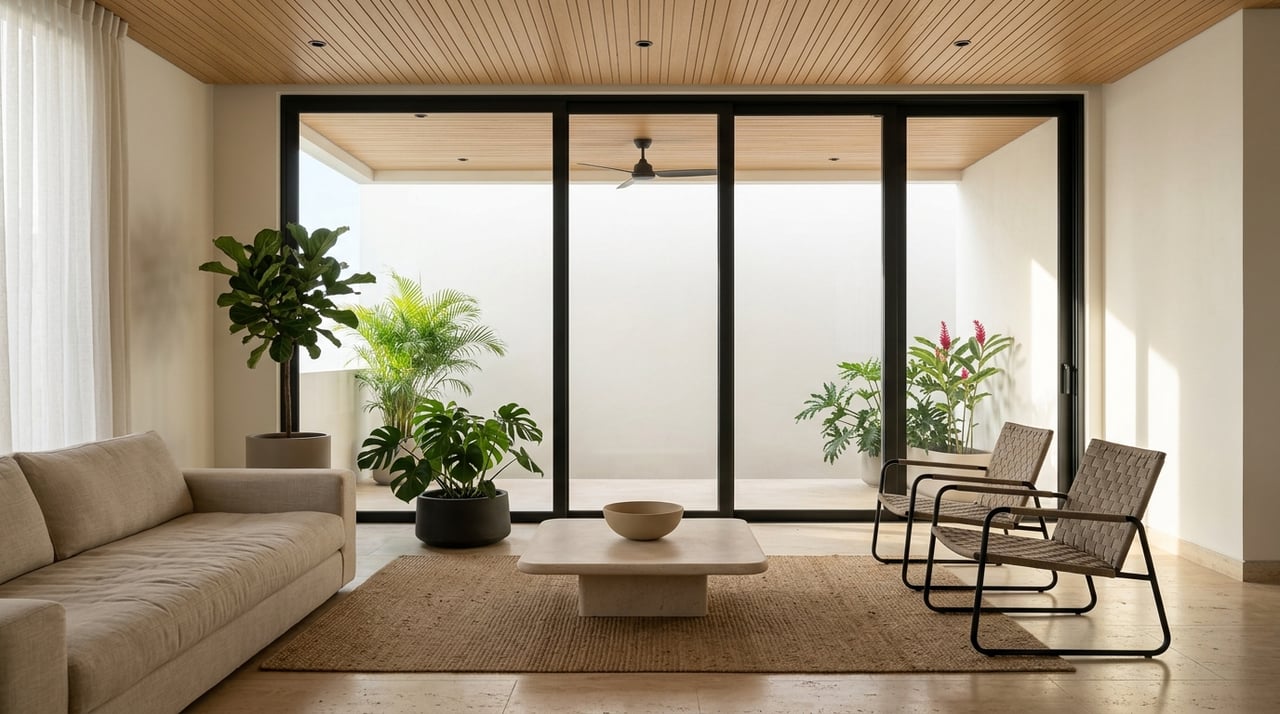
In a Guaynabo estate, buyers often respond to calm, well-composed spaces. They want to notice scale, light, layout, and indoor-outdoor flow without visual distractions competing for attention.
That usually means simplifying what is already there. Remove personal items, reduce bulky furniture, and keep closets about half full so storage feels generous. If paint is highly specific or dated, a neutral backdrop can help architecture and finishes take the lead.
Avoid staging mistakes that create friction
Overcrowding, poor cleanliness, and highly personal decor can make it harder for buyers to picture the home as their own. NAR specifically flags decor that reveals personal, political, or religious identity as a staging mistake to avoid.
The goal is not to strip the home of character. It is to create clean sightlines, maintained order, and an intentional first impression from the moment a buyer arrives at the entry.
Handle maintenance before it becomes a negotiation
Luxury buyers expect beauty, but they also expect systems to feel well maintained. Small maintenance issues can raise larger questions about how the property has been cared for over time.
In Puerto Rico, moisture control deserves special attention before a listing goes live. EPA guidance says the practical way to control indoor mold is to control moisture, and CDC guidance advises drying a home within 24 to 48 hours after storm or flood damage if possible, then fixing leaks quickly. For a Guaynabo seller, that makes pre-listing checks especially important.
Check moisture-prone areas early
Before photography, tours, or inspections, review the areas where humidity and water intrusion tend to appear first. This can help you solve manageable issues before they affect buyer confidence.
Use a simple pre-listing review that includes:
- Roof and flashing
- Windows and door seals
- Plumbing fixtures and supply lines
- AC condensate lines and drainage
- Closets and storage areas
- Walls or ceilings with any prior water-damage history
- Exterior drainage near the structure
If a repair has already been completed, keep the documentation organized. Repair records can support a smoother conversation later when buyers ask about prior issues or preventive maintenance.
Prepare for hurricane season optics and readiness
In Puerto Rico, weather readiness is part of the luxury presentation. CDC hurricane guidance notes that homeowners should prepare before the Atlantic and Caribbean hurricane season begins on June 1.
For your listing, that means buyers may notice whether the home appears ready for seasonal risk. Exterior upkeep, functional shutters, proper drainage, and secure storage for outdoor furniture and valuables can all reinforce a sense of care and preparedness.
What to address outside
Your exterior should feel polished, but also resilient. A refined showing experience in Guaynabo often starts with practical readiness as much as visual curb appeal.
Prioritize items such as:
- Clean drainage paths and gutters
- Secure or neatly stored outdoor furnishings
- Trimmed landscaping around walkways and drainage areas
- Well-maintained shutters or storm protection features
- Clean terraces, entries, and poolside areas
These steps support both presentation and peace of mind. They help a buyer see not only a beautiful home, but one that has been responsibly managed.
Choose the right privacy strategy
A private sale does not have to mean invisible marketing. It means being intentional about who sees the home, when they see it, and how much information is distributed publicly.
NAR’s 2025 guidance outlines two privacy-oriented options sellers may consider: an office-exclusive listing, which is not publicly marketed, and a delayed-marketing exempt listing, which may be placed on the MLS but withheld from IDX or syndication for a locally defined period. The trade-off is clear. More privacy usually means less exposure.
Understand the reach versus privacy trade-off
If you want maximum discretion, you may limit the pool of buyers who discover the property. If you want the widest reach, you usually accept more public visibility. The best choice depends on your goals, timeline, and comfort level.
A curated strategy can still create strong interest while reducing disruption. In practice, that may include appointment-only access, buyer vetting before entry, and limited showing windows instead of broad open access.
Decide what matters most to you
Before launch, it helps to rank your priorities. This makes it easier to shape a strategy that fits the property and your comfort level.
Ask yourself:
- Is privacy more important than maximum public exposure?
- Do you want to test interest quietly before wider distribution?
- Are you comfortable with video and broad online promotion?
- How much showing traffic is acceptable in your daily routine?
- Do you want tighter control over who enters the home?
For many estate sellers, the answer is not fully private or fully public. It is a curated middle ground that protects discretion while still reaching qualified buyers.
Build marketing assets that are polished and truthful
Most buyers begin their home search online, and NAR reports that 81% consider listing photos the most important factor when evaluating properties. That makes visual assets essential, even in a more private sale.
But polish cannot come at the expense of accuracy. In Puerto Rico, DACO defines a deceptive ad as one that creates a false impression or omits relevant information. If the home is digitally enhanced in a meaningful way, that should be disclosed so buyers receive a true picture of the property.
Use the right asset mix
For a luxury estate, strong marketing often includes more than still photography. Depending on the property and privacy goals, the package may include:
- Professional photography
- Video walkthroughs
- Floor plans
- Drone imagery where appropriate
- Virtual tours
- Carefully disclosed virtual staging when needed
This approach helps buyers understand scale, flow, and setting before they ever request a showing. It also supports a more efficient process by filtering for serious interest.
Avoid images that overpromise
Your marketing should elevate the property, not distort it. Do not imply that the home is larger, newer, more finished, or more updated than it really is.
That matters for two reasons. First, accuracy protects trust. Second, misleading marketing can create disappointment during tours, invite pricing resistance, and complicate negotiations later.
Prepare title and documents early
Even the most beautifully presented estate can lose momentum if paperwork starts too late. In Puerto Rico, the closing process depends on accurate title information, complete documentation, and coordination through the notary and Property Registry system.
The Department of Justice states that the Property Registry records and publicizes real estate transactions, title data, and encumbrances, and its metropolitan section in Santurce includes Guaynabo and San Juan. Hacienda also notes that notaries are obligated to register deeds from the previous month, and SURI is used for certain notary filings related to real property transfer matters. For sellers, the practical lesson is simple: start document review early.
Organize these items before launch
A cleaner file often leads to a cleaner transaction. Early preparation can reduce last-minute stress and keep buyers confident once they move into due diligence.
Gather and review:
- Existing title and ownership records
- Information on liens or encumbrances
- Survey or property description documents, if available
- Repair invoices and maintenance records
- Any documentation related to prior water intrusion or repairs
- HOA or community documents, if applicable
- Utility and property-related records commonly requested in diligence
This does not mean every issue must be solved before listing. It means you should know what exists, what can be clarified, and what may require attention before closing.
Disclose honestly to reduce post-sale risk
Puerto Rico’s Civil Code provides that a person who transfers a good for value is responsible for eviction and for hidden defects even if unaware of them, and actions for redhibitory defects generally prescribe in six months from delivery or the last communication between the parties. For sellers, that is a strong reason to take disclosure seriously.
Honest communication does more than reduce legal risk. It can also reduce renegotiation, inspection friction, and buyer anxiety. Pre-listing inspections, documented repairs, and clear disclosures often support a smoother path from contract to closing.
A private sale still needs a public-quality standard
Choosing discretion does not lower the bar for preparation. In many cases, it raises it. When fewer buyers see the home, each showing, each image, and each conversation carries more weight.
That is why the strongest private sales in Guaynabo are carefully staged, truthfully marketed, and operationally ready. With the right preparation, you can protect privacy without sacrificing professionalism, buyer confidence, or sale quality.
If you are preparing a Guaynabo estate for a discreet, design-conscious sale, Aileen Beale Real Estate offers curated marketing, white-glove guidance, and local expertise across the San Juan metro area.
FAQs
What does a private home sale in Guaynabo usually involve?
- A private sale often means more controlled marketing, such as office-exclusive or delayed public exposure, along with appointment-only showings and buyer vetting before access.
How should you stage a luxury estate before listing it in Guaynabo?
- Focus on decluttering, reducing bulky furniture, using neutral finishes where needed, keeping closets about half full, and creating clean sightlines that let the home’s scale and layout stand out.
Why is moisture control important before selling a home in Puerto Rico?
- Moisture issues can affect buyer confidence, inspections, and negotiations, so it is smart to check for leaks, water intrusion, humidity buildup, and past damage before the property is photographed or shown.
Can you use edited photos or virtual staging in a Puerto Rico listing?
- Yes, but marketing should remain truthful, and materially altered or virtually staged images should be disclosed so they do not create a false impression.
What paperwork should you start early before selling a Guaynabo estate?
- Start with title and ownership records, information on liens or encumbrances, repair and maintenance documents, and any other property records that may be needed for notary review and closing coordination.
Is more privacy always better when selling a luxury home in Guaynabo?
- Not always, because more privacy often means less exposure, so the best strategy depends on your goals, timing, and how much public visibility you are comfortable with.