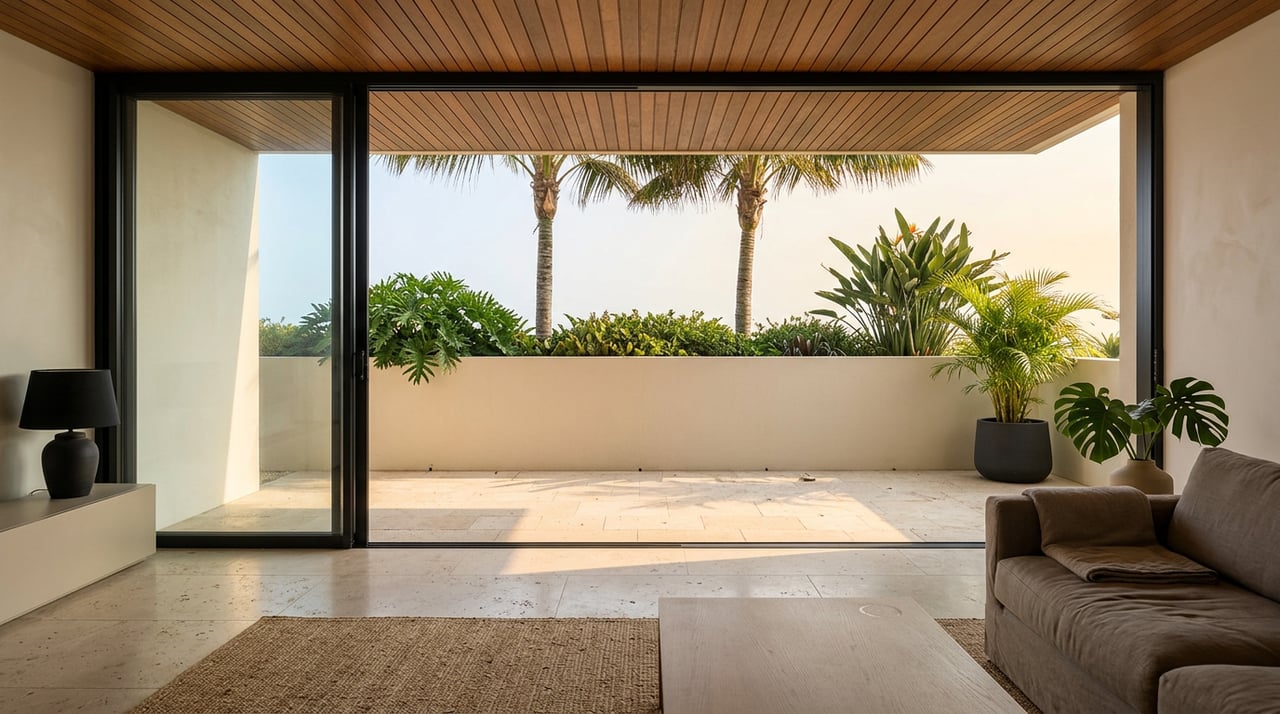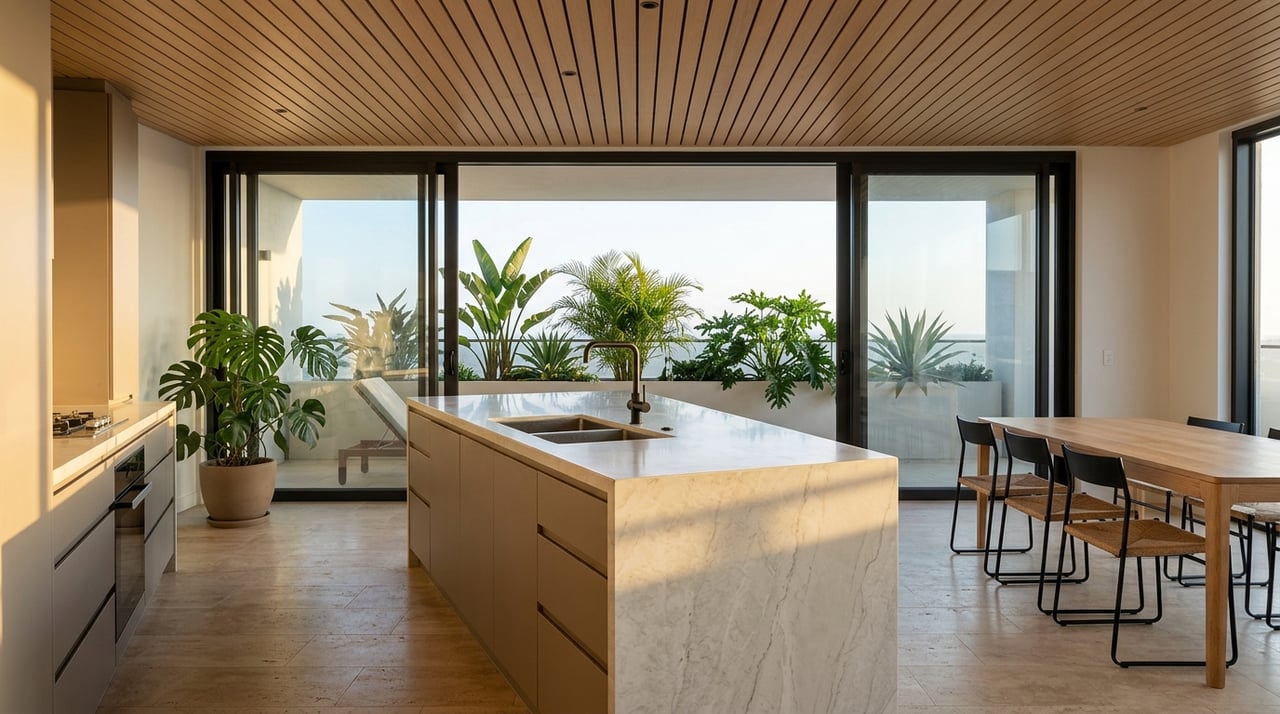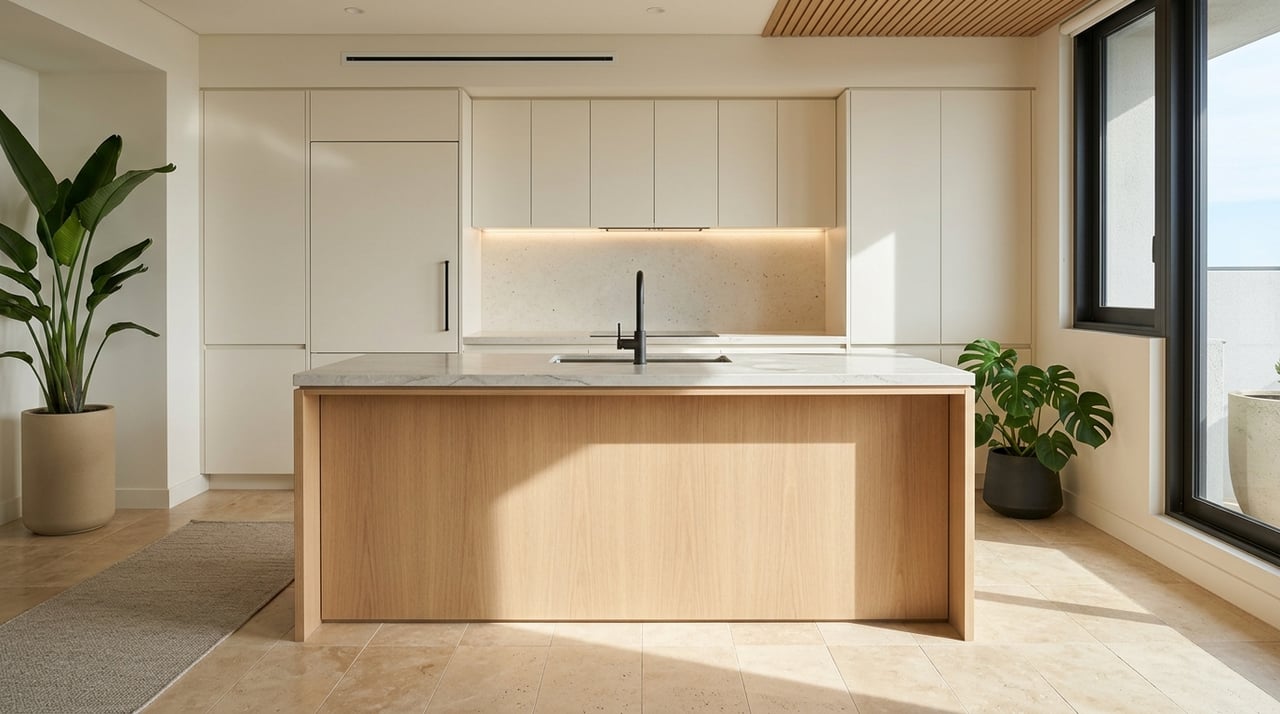
Buying a luxury condo in Condado is exciting, but the renovation process can get complicated fast if you start with finishes instead of rules. You may already be picturing a new kitchen, spa-style baths, or a cleaner, more modern layout, yet condo renovations in Puerto Rico often depend on building documents, board approval, and permits before any work begins. If you want your upgrade to feel seamless and protect long-term value, it helps to understand the process from the start. Let’s dive in.
Review the condo documents first
Before you choose tile, cabinetry, or appliances, review the condominium file carefully. In Puerto Rico, the condominium regulation can govern use, administration, insurance, conservation, repairs, and related rules, so these documents are not just background paperwork.
Start with the declaration, regulation, budget, reserve fund status, board minutes, permit of use, and any pending assessments or disputes. Your title file should also include the escritura matriz, the condominium regulation, and as-built plans when available, because those records help define what is part of your unit and what falls under the condominium regime.
This step matters in luxury towers, where a seemingly simple update may be affected by building-wide rules. It can also help you spot future costs early, especially if the building already has planned projects or special assessments in discussion.
Check budgets and reserve funds
Your renovation budget should include more than construction costs inside the unit. Puerto Rico condominium law requires a reserve fund of at least 5% of annual expenses, and that reserve may be used for extraordinary, urgent, or improvement work.
That means pending reserve-funded projects can affect your timing, your access, and your overall spending plan. If the building is planning exterior repairs, system upgrades, or other major work, you will want to know before launching your own project.
Understand what belongs to your unit
One of the biggest renovation mistakes in a condo is assuming that anything inside the walls is yours to change freely. In Puerto Rico, a unit owner may make improvements and repairs at personal expense, but the work cannot impair structural integrity or mechanical systems, and it cannot change common elements or exterior conditions without permission.
The law also bars work that affects the solidity or structure of the building. So even in a high-end condo with a fully private interior, your project still has legal limits.
Common elements can affect interior plans
Common elements include foundations, load-bearing walls, roofs, stairs, central service rooms for power, water, gas, refrigeration, cisterns and pumps, elevators, parking areas, and related shared spaces. In practice, that means an interior renovation can quickly become a condominium issue if it touches plumbing stacks, shared electrical systems, waterproofing, or the building envelope.
This is especially important when reworking kitchens and bathrooms. Moving fixtures, changing drain locations, or opening walls near shared systems may require more review than buyers expect.
Know when board approval matters
If your project stays clearly within the unit and avoids structural or shared systems, the process may be simpler. But once work affects common elements, facade changes, or common-area use, board approval becomes a central part of the plan.
Under Puerto Rico condominium law, works needed for conservation or safety of the building are approved by a majority of owners. Other works that adversely affect common elements generally require approval by two-thirds of owners and two-thirds of the common-element interests.
For some pre-existing condominium regimes, modifications can require unanimous consent. That is why your first renovation conversation should often be with the board or administration, not just your designer or contractor.
Mixed-use buildings may have added rules
Some Condado buildings include retail or office components. In mixed-use condominiums, the regulation must protect residential owners from noise and from being charged unfairly for commercial-component expenses, which can lead to stricter coordination rules.
If your building has a commercial element, renovation hours, deliveries, debris handling, elevator use, and contractor access may be more tightly managed. That can affect both cost and schedule.
Plan for permits early
In Puerto Rico, remodeling usually means permits plus licensed professionals. OGPe guidance says remodeling should be referred to a licensed architect or engineer to process a Permiso de Construcción Consolidado, or PCOC.
Some work may qualify as an obra exenta, but that determination should be made by checking the applicable regulation before a contractor starts. The Single Business Portal is the filing platform for permits, inspections, certifications, and related construction steps.
In San Juan, the Office of Permits handles use and construction permits, reviews plans for conformity, and coordinates with OGPe. For a Condado condo renovation, that makes municipal permitting an important local checkpoint.
Use a smart renovation sequence
A phased process can help you avoid delays in an occupied condo building. A practical sequence is:
- Confirm the renovation scope with the board.
- Have a licensed architect or engineer classify the work.
- File permits if needed.
- Schedule demolition.
- Complete rough-in work.
- Move through inspections.
- Finish with final surfaces and installations.
This order helps reduce stop-and-start issues that can happen when approvals and construction are handled out of sequence.
Expect access and coordination issues
Luxury condo renovations rarely happen in isolation. Owners also have a legal duty to allow access for repairs or maintenance that the building requires, and the board may authorize emergency entry when a unit occupant cannot be reached.
That matters if your project overlaps with plumbing, waterproofing, or other work that affects nearby units or common systems. Even a beautifully planned renovation can run into friction if contractor schedules, building maintenance, and neighboring access are not coordinated from the beginning.
Focus on durable upgrades
In a market like Condado, design matters, but resale flexibility matters too. The 2025 Remodeling Impact Report found that 46% of buyers are less willing to compromise on home condition, and real estate professionals most often recommend whole-home or single-room paint, new roofing, kitchen upgrades, and bathroom renovations before selling.
Not every project fully recovers its cost, so the best strategy is often to favor durable, broadly appealing updates over highly customized changes. In a luxury condo, that may mean investing in quality finishes, refreshed kitchens, polished bathrooms, and a cohesive neutral palette instead of making disruptive layout moves that narrow future buyer appeal.
Luxury buyers notice condition
For many buyers in Condado, the difference between a condo that feels current and one that feels dated is immediate. Clean finishes, well-planned storage, updated surfaces, and a calm design language tend to support stronger presentation.
That does not mean every residence should look the same. It means your renovation should balance personal enjoyment with choices that are easy for future buyers to understand and appreciate.
Keep a complete renovation file
One of the smartest things you can do after closing is create a single organized file for your project. Keep every approval, permit, inspection record, and final sign-off together.
Future buyers, lenders, and the condominium board may all want evidence that the work stayed within the rules and was completed properly. A documented, code-compliant renovation is simply easier for others to evaluate than an undocumented one.
That record also helps if you sell later and want to show that your updates were thoughtfully executed. In luxury real estate, strong documentation supports confidence.
If you are buying or repositioning a luxury condo in Condado, the right guidance can help you think beyond the purchase and plan for the full ownership experience. For curated advice on buying, renovating with resale in mind, and navigating San Juan’s top coastal enclaves, connect with Aileen Beale Real Estate.
FAQs
What documents should you review before renovating a condo in Condado?
- You should review the condominium declaration, regulation, budget, reserve fund status, board minutes, permit of use, pending assessments or disputes, and the title file documents such as the escritura matriz and available as-built plans.
Can you renovate the interior of a Condado condo without approval?
- You may make improvements inside your unit at your own expense, but the work cannot impair structural integrity or mechanical systems, and it cannot change common elements or exterior conditions without permission.
What parts of a condo are considered common elements in Puerto Rico?
- Common elements include items such as foundations, load-bearing walls, roofs, stairs, central service rooms for utilities, cisterns and pumps, elevators, parking areas, and other shared spaces or systems.
Do luxury condo renovations in San Juan usually require permits?
- Many remodeling projects do require permits and licensed professionals, and OGPe guidance says remodeling should be referred to a licensed architect or engineer to process a Permiso de Construcción Consolidado when required.
How can you protect resale value when renovating a luxury condo in Condado?
- You can protect resale value by prioritizing durable, broadly appealing upgrades such as kitchen improvements, bathroom renovations, and fresh paint, while keeping approvals and final project records organized.