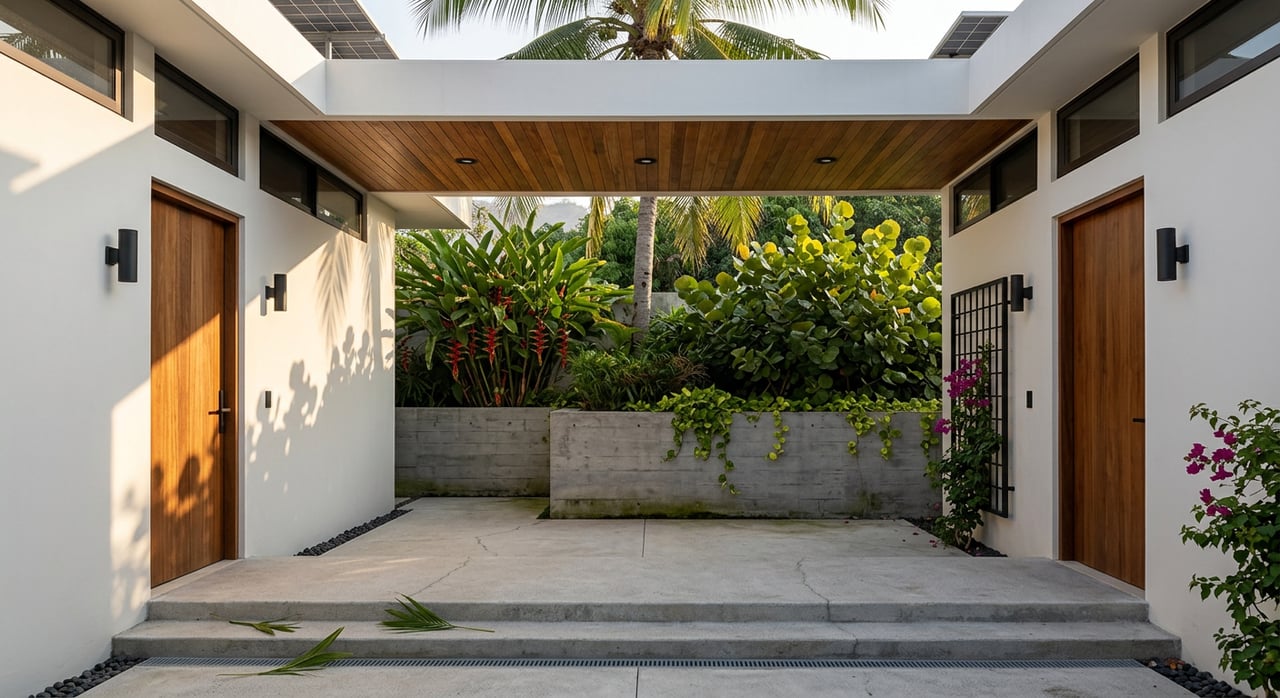
Dreaming of a surfside villa that pays its own way? If you love world-class waves, golden sunsets, and a slower, sophisticated coastal rhythm, Puerto Rico’s West Coast deserves a serious look. You want a retreat that feels personal and serene, yet performs as a dependable income asset. This guide shows you how to pick the right location, pressure-test the numbers, and stay compliant so your investment works as beautifully as it lives. Let’s dive in.
Why the West Coast works for income
The West region is celebrated for its surf culture, dramatic lookouts, and nature reserves, with a calmer vibe than the metro area. You will find lower-density beach towns and a lifestyle that blends outdoor adventure with relaxed luxury. For context on the area’s appeal and attractions, explore the official overview of the West region from the island’s destination marketing organization at Discover Puerto Rico.
Access matters for occupancy and nightly rates. The Aguadilla airport (BQN) puts you close to key beaches, which can lift midweek and shoulder-season demand. San Juan’s airport is roughly 2 to 2.5 hours away, which is workable for longer stays and holiday travel.
Seasonality is real on the West Coast. Peak periods align with winter swells and U.S. holiday and school breaks. Summer and early fall are typically slower, and they also coincide with the Atlantic hurricane season.
Where to focus: Rincón, Aguadilla, Cabo Rojo
Rincón
Rincón is the West Coast’s best-known surf-and-sunset town. You will see oceanfront villas, renovated surf houses near the breaks, and boutique condo product. Inventory skews lifestyle-forward, and premium locations near the water often achieve stronger rates. Ask for current MLS comps rather than relying on broad portal snapshots when you underwrite a specific property.
Aguadilla
Aguadilla benefits from proximity to BQN, which shortens travel time and can support steadier midweek demand from fly-in guests. Expect neighborhoods near beaches like Crash Boat to draw consistent interest. Product types range from single-family homes to condo and townhome formats that can be easier to operate.
Cabo Rojo
Cabo Rojo is prized for nature and protected beaches, with coastal homes around Joyuda and inland options near the salt flats and lighthouse. The market spans a wider range of price tiers and property styles. If your strategy includes longer stays, look for homes with flexible layouts and storage that suit remote workers or mid-term guests.
What the numbers look like
Start with conservative assumptions, then confirm them with property-level history. Local industry groups report that independent short-term rentals in strong Puerto Rico markets often run 60 to 80 percent occupancy and can achieve mid triple-digit RevPAR for top performers. Treat this as directional only, since micro-markets vary. For context on occupancy and performance ranges, review guidance from Viva Puerto Rico’s STR community.
A practical anchor is RevPAR around $125. If you assume 60 percent occupancy, that implies an ADR near $208 because ADR equals RevPAR divided by occupancy. Annual gross bookings at that ADR and occupancy would be about $45,600 before expenses. Small changes to ADR or occupancy can have a large effect on net income, so model sensitivity carefully.
Key operating line items to include in your pro forma:
- Property management. Full-service management commonly ranges from 20 to 30 percent of gross bookings. Confirm what is included and compare two proposals. See a typical cost breakdown from industry operators at PM RedAwning.
- Cleaning and turnover. Budget $75 to $250 per turn depending on size and scope. Nights per stay will affect how often you incur this cost. Reference typical ranges in the same cost overview from PM RedAwning.
- Maintenance and reserves. Set aside 5 to 10 percent of gross revenue for routine maintenance. Coastal homes face salt-air wear, so plan extra for paint, metalwork, and exterior elements.
- Taxes on lodging receipts. A commonly cited occupancy or hotel tax is about 7 percent. Puerto Rico’s Sales and Use Tax (IVU) runs about 11.5 percent on many taxable services. Confirm how these apply to your rentals and whether platforms collect for you; see the IVU overview at Sales Tax Handbook.
- Insurance. Obtain quotes for homeowner or landlord coverage, wind or hurricane, and flood if required. Deductibles and exclusions can materially change net returns.
- Financing. Many investor loans require about 20 to 30 percent down, with tighter underwriting than a primary residence. Compare local lenders and terms; here is a general primer on investor loan structures from Hemlane.
Test three scenarios before you bid:
- Base case. Use verified 12 to 24 month booking data, ADR from true comps, and conservative occupancy of 45 to 60 percent.
- Downside case. Cut ADR and occupancy by 20 to 30 percent to reflect storm years, added competition, or platform policy shifts.
- Upside case. Model modest gains only if the location, design, and management plan justify it.
Rental rules and taxes you must confirm
Short-term and mid-term rentals are a regulated activity, and compliance affects both revenue and resale value. Work through this checklist early:
- Puerto Rico Tourism Company registration. Many municipalities and platforms expect a PRTC hotelier number for short-term rentals. Confirm that any income history was booked under a valid registration. Review registration context at STR Profit Map.
- Occupancy or hotel tax. Hosts commonly collect and remit about 7 percent on taxable lodging receipts. Confirm whether your platform handles this or if you must remit directly. Industry groups summarize these expectations at Viva Puerto Rico.
- Sales and Use Tax (IVU). The standard combined rate is about 11.5 percent in many municipalities. Clarify which services or fees are taxable in your setup using the Sales Tax Handbook’s Puerto Rico page.
- Municipal business license and ordinances. Some towns require a municipal license, and many impose noise, parking, or occupancy rules. These are not uniform, so verify the target municipality’s current requirements.
- HOA and condo rules. Many communities regulate or restrict short stays. Read bylaws and recorded covenants and check for minimum-stay language.
- Tax residency incentives. If you plan to relocate and pursue Puerto Rico tax incentives, research Act 60 and its residency requirements. An industry overview is available here at Brevitas. Always consult a local CPA.
Physical and insurance due diligence
Coastal villas are stunning, but they demand a higher standard of inspection and preparedness. Start with the FEMA Flood Map Service Center to confirm flood zone, base flood elevation, and whether flood insurance is likely required. You can search specific addresses at the FEMA Map Service Center.
Understand the hurricane calendar and design features that reduce risk. The Atlantic season runs from June 1 through November 30. Review official climatology from the NOAA National Hurricane Center.
Walk the property with an eye toward structure, envelope, and utilities. Inspect the roof, windows or shutters, drainage, generator and solar, electrical, plumbing, and septic capacity if applicable. For local context on flood guidance, consult Puerto Rico’s planning portal quick guide at the Junta de Planificación flood site.
A step-by-step path to the right villa
Define your use case. Decide how you will balance personal use and rental nights, and what guest profile you aim to serve.
Secure financing parameters. Pre-qualify with Puerto Rico lenders so you understand down payment, rates, and any DSCR or documentation needs. See general investor loan context from Hemlane.
Focus on micro-markets. Short walks to beaches, easy airport access, and strong outdoor amenities often lift ADR and occupancy. In hillside or inland areas, prioritize views, privacy, and design features that photograph well.
Underwrite with data. Request 12 to 24 months of calendar and P&L history, plus proof of tax remittances and registrations. Compare ADR to true comps in the same micro-neighborhood.
Offer with the right contingencies. Include inspection, title, insurance quote review, and any HOA rule confirmation periods. Ensure you can exit or renegotiate if critical compliance items fail.
Operational setup. Obtain two management proposals, confirm cleaning capacity in peak season, and document SOPs for guest communications and emergency response. Order professional photography and a brand-forward listing once compliance is in place.
West Coast buyer’s checklist
Use this quick list to stay on track before you commit:
- Exact address, parcel, and property registry references.
- 12 to 24 months of raw booking data by channel and monthly P&Ls.
- PRTC registration number and municipal license copies, with recent occupancy and IVU tax remittances. See context at STR Profit Map.
- Property management, cleaning, and service contracts or quotes.
- Full inspections: structure, roof, impact windows or shutters, electrical, plumbing, septic, generator and solar, and pest.
- Hazard checks: FEMA flood map, elevation certificate if applicable, drainage review, and storm surge exposure.
- Insurance quotes: homeowner or landlord, wind or hurricane, flood, and STR liability.
- Financials and legal: seller P&Ls, two years of rental tax filings if applicable, title search with liens and any code issues, HOA covenants.
- Financing terms from Puerto Rico lenders to confirm loan-to-value, rates, and reserves.
Common pitfalls to avoid
- Relying on a platform calendar without audited P&Ls and tax receipts. Always ask for source documents and verify remittances.
- Underestimating salt-air maintenance and wind exposure. Budget reserves and prioritize durable finishes and impact protection.
- Skipping municipal or HOA rule checks. A beautiful villa without rental permissions will not meet your income goals.
- Ignoring competition and seasonality. Track active listings and model a downside case for occupancy and ADR.
- Overlooking local sentiment. Some communities discuss caps or new rules. Industry groups track developments at Viva Puerto Rico.
Is an income villa right for you?
If you want a home that serves your lifestyle and also offsets its costs, the West Coast can deliver. The key is to buy for location, compliance, and operational readiness first, then refine design and finish levels over time. When your underwriting is honest and your setup is professional, you give yourself room for both enjoyment and performance.
If you are ready to evaluate Rincón, Aguadilla, or Cabo Rojo with a discerning, data-forward lens, connect with a boutique advisor who understands both the lifestyle and the numbers. For a private, curated search and current MLS comps, reach out to Aileen Beale Real Estate.
FAQs
What seasonality should I expect on Puerto Rico’s West Coast?
- Peak demand aligns with winter swells and U.S. holiday breaks, while summer and early fall are typically slower and overlap the hurricane season; see the region overview at Discover Puerto Rico.
How do short-term rental taxes work in Puerto Rico?
- Most hosts collect a lodging or occupancy tax of about 7 percent and may owe IVU on certain services at about 11.5 percent; confirm specifics and collection methods using Sales Tax Handbook.
Do I need to register my rental with the Puerto Rico Tourism Company?
- Many municipalities and platforms expect short-term rentals to register and display a PRTC hotelier number; review procedures and context at STR Profit Map.
How do hurricanes affect operations and insurance costs?
- Hurricane season runs June 1 to November 30; you should budget for wind or hurricane coverage, higher deductibles near the coast, and flood insurance where required; see season dates at the NOAA National Hurricane Center.
What financing is typical for an investment villa in Puerto Rico?
- Investor mortgages often require about 20 to 30 percent down with tighter underwriting than primary homes; review general structures and terms at Hemlane.
How close are West Coast towns to airports?
- Aguadilla’s Rafael Hernández Airport (BQN) serves the region directly and can reduce travel time, while San Juan’s SJU is about 2 to 2.5 hours away; see the West region overview at Discover Puerto Rico.
What due diligence should I prioritize near the beach?
- Start with FEMA flood maps, request an elevation certificate if needed, and obtain wind, hurricane, and flood insurance quotes before you waive contingencies; search addresses at the FEMA Map Service Center.