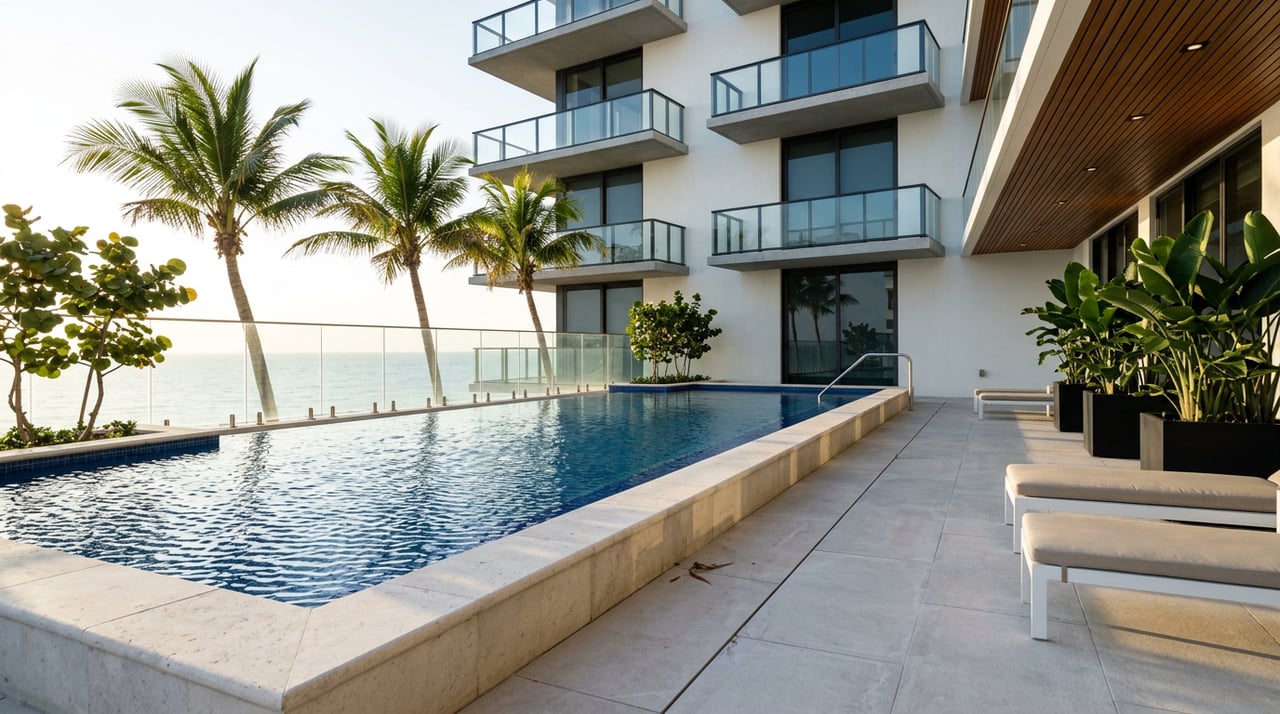
Dreaming of a walk-to-sand condo that is a short ride from the airport but still feels like a resort? If you are eyeing Isla Verde, you are not alone. Many buyers love its oceanfront lifestyle and the typical 5 to 15 minute drive to Luis Muñoz Marín International Airport. In this guide, you will learn how to choose the right building, what to expect for maintenance and insurance, and how to check short-term rental rules before you buy. Let’s dive in.
Why Isla Verde works for buyers
Isla Verde runs along Isla Verde Avenue on the San Juan and Carolina coastline. You get direct beach access, a walkable strip of services, and quick trips to SJU, which is ideal if you travel often or plan to host guests. Because the neighborhood is a concentrated beachfront, building orientation, floor level, and whether the unit is a corner or interior can change your view, sound profile, and rental appeal. Keep these placement details front and center while you shortlist.
How to choose your tower in Isla Verde
Think of Isla Verde buildings in four broad tiers. Your best fit depends on how you want to use the property, your preferred amenity level, and your tolerance for building activity from vacation rentals.
Condo-hotel and resort-managed towers
If you want turnkey nightly rental options, condo-hotel buildings are designed for it. ESJ Towers and ESJ Azul are commonly marketed with on-site front desk services, hotel-style rental programs, and infrastructure like full power generators and water cisterns that help during outages. Owners can typically use the property themselves and join a rental pool when away. Floor plans often range from studios to larger units, which helps match different guest profiles. Always confirm what the generator powers and how the rental program shares revenue.
Full-service higher-end oceanfront towers
Choose this tier if you value a quieter feel with premium amenities and resilience features. Buildings like Surfside Mansions are positioned as upscale, with 24/7 security, pool and fitness areas, covered parking, and system upgrades such as partial or full generators and cisterns. These towers often attract full-time residents and longer-stay guests. Expect higher HOA dues to support service levels and maintenance quality.
Mid-market beachfront high-rises
If you want direct beach access and core amenities without luxury pricing, consider mid-market towers. Examples often cited by local listings include Marbella del Caribe, Coral Beach, and Beach Tower. Many of these buildings date from the 1970s to 1990s with pools and basic common areas. Upkeep and recent upgrades vary by building, so review the reserve study, recent projects, and special assessment history before you decide.
Older concrete high-rises and gated communities
These 1960s to 1980s-era properties can offer lower purchase prices but may require façade, balcony, or piping work sooner. Examples you will see in searches include Las Gaviotas, Castillo Del Mar, and Villas del Mar. Some conventional associations limit short-term rentals, which can attract longer-term owners. If you prefer stability over frequent guest turnover, this path may suit you, but budget for near-term capital improvements.
A quick decision path
- Want nightly rental flexibility and on-site hospitality support? Consider condo-hotel buildings like ESJ-style towers.
- Want premium amenities, resilience features, and a more resident-focused vibe? Consider full-service higher-end towers.
- Want value with beach access and core amenities? Compare mid-market towers on recent upgrades and reserves.
- Want entry pricing and can plan for repairs? Explore older concrete high-rises and gated communities, and check rental rules closely.
Ownership costs and risks to plan for
Structural maintenance and reserves
Beachfront concrete faces salt exposure, which can accelerate rebar corrosion, cracking, and spalling. Guidance on durable coastal concrete calls for proper mixes, cover, and ongoing envelope care. In practice, high-rises often need cyclical façade, waterproofing, and balcony work every 10 to 25 years depending on maintenance history. Ask for recent engineering reports and the reserve study, then compare actual reserve balances to planned projects. Review the science behind durability in the ACI guidance for concrete in aggressive environments to understand why these cycles matter. You can reference the ACI overview here: guide to durable concrete.
Generators, cisterns, and reliability
Many Isla Verde towers highlight full power generators and water cisterns. These features help during island-wide outages and are a real value point for both owners and guests. Confirm exactly what the generator serves, such as full-building power, elevators only, or just common areas. Also ask if there is a maintenance contract, a fuel plan, and regular testing logs.
Flood and wind insurance
Oceanfront property brings real wind and flood risk. Pull the FEMA flood zone for the specific address using the FEMA Map Service Center. Your flood insurance options and cost depend on the zone and building elevation. Separate wind or hurricane coverage is common, and master policy deductibles for hurricane claims can be significant. Request the association’s insurance certificate to confirm limits, deductibles, and exclusions.
HOA dues and special assessments
Monthly dues across Isla Verde vary by tier. Full-service towers tend to be higher due to amenities and resilience upgrades. A practical rule is to budget for dues in the several hundreds to low thousands per month depending on building and unit size. Buildings with thin reserves or recent structural work are more prone to special assessments, so review financials and board minutes closely.
Climate and lifecycle planning
Climate-driven shifts in temperature, humidity, and sea-level exposure can increase corrosion and shorten the service life of building systems over time. Expect construction costs and maintenance needs to rise across the coming decades, and weigh a building’s long-term plan when you compare options. You can learn more about lifecycle impacts here: climate effects on coastal infrastructure.
Short-term rentals and compliance
Condo-hotel vs conventional condo
Condo-hotel properties usually allow nightly rentals through a hotel program or independent platforms, which can boost gross income potential. Conventional condo associations often restrict short-term rentals or set minimum lease terms. Always obtain and read the master deed, bylaws, and house rules before you commit.
Registration and taxes in Puerto Rico
If you plan to host short-term guests, register with the Puerto Rico Tourism Company for room tax collection and reporting. Municipalities may also require permits or business registration. Start at the official PRTC portal here: PRTC room tax registration.
Impacts on financing and resale
Buildings that permit short-term rentals can draw higher yields but may show more wear and operational turnover. Those that restrict them may appeal to long-term owners and certain lenders. If you need financing, ask your lender early about condo project approval and any limits tied to investor ratios.
Touring tips that protect your view and comfort
- Study building orientation and the line of sight to the water. East or west exposure affects light, sunsets, and potential glare.
- Compare floor levels. Higher floors usually improve views but may change wind and elevator wait times.
- Check corner vs interior stacks. Corners may offer cross-ventilation and wider views, but confirm balcony conditions and any wind-driven rain patterns.
- Evaluate the soundscape. Walk the lobby, pool deck, and street frontage at different times of day.
Your Isla Verde buyer checklist
Use this list as a contract contingency and request documents in writing. A thorough packet reveals most surprises early.
Documents to obtain
- Current operating budget and the last 2 to 3 years of financial statements.
- Latest reserve study, current reserve balance, and percent funded.
- Board meeting minutes for the last 12 to 24 months and any notices of planned capital work or special meetings.
- Master insurance certificate with policy limits, hurricane deductible per occurrence, flood coverage, and exclusions.
- Any recent engineering or SIRS reports, façade or structural repair invoices, and warranties for capital work.
- Bylaws and house rules related to rentals and any board resolutions that affect short-term rentals.
Operational questions for management
- What does the generator power exactly and how is it maintained? Is there a fuel plan?
- Are there water cisterns and what is the maintenance schedule?
- Any special assessments in the last 5 years or planned ahead? What is the timeline and estimated owner share?
- What is the owner-occupant versus investor mix? Are there rental caps?
- What FEMA flood zone applies to this address and what are the building’s current flood insurance arrangements?
- What recent waterproofing, façade, or piping projects have been completed? Are warranties transferable?
Unit-level checks
- Confirm deeded parking and storage, window type and rating, balcony condition, and the exact view corridor.
- If the unit has been a short-term rental, request occupancy data, gross rents, seasonality, and net performance by platform or hotel program.
- Verify municipal property taxes and any special assessments with official records before closing.
Lender and insurance pre-checks
- Ask your lender about project approval requirements early to avoid delays.
- Get quotes for flood insurance and wind or hurricane coverage using the unit’s elevation, FEMA flood zone, and the master policy details. Start with the FEMA Map Service Center to verify the flood zone.
Putting it all together
If you want a hands-off, income-forward experience, a condo-hotel may be your best fit. If you prefer a quieter residential feel with robust amenities, a full-service oceanfront tower could be ideal. No matter the path, weigh generator and cistern capacity, review structural and reserve health, confirm insurance realities, and read the rental rules line by line. With a clear plan, your Isla Verde condo can deliver the beach lifestyle you want and the performance you expect.
Ready to refine your shortlist, tour the right buildings, and secure the details that matter? Connect with Aileen Beale Real Estate for a discreet, curated search and expert guidance from offer to closing.
FAQs
What makes Isla Verde attractive for frequent travelers?
- Most oceanfront towers sit within a typical 5 to 15 minute drive to SJU, pairing resort living with easy airport access.
How do Isla Verde condo tiers differ for buyers?
- Condo-hotels favor nightly rentals, full-service towers focus on premium amenities and resilience, mid-market towers offer value with basics, and older high-rises may require near-term repairs.
Why do generators and cisterns matter in oceanfront buildings?
- They improve comfort and safety during outages; always verify what the generator powers, maintenance contracts, and water storage capacity.
What insurance do I need for an oceanfront condo in Puerto Rico?
- Expect flood insurance driven by your FEMA flood zone and separate wind or hurricane coverage; review the association’s master policy deductibles and exclusions.
Can I operate short-term rentals in any Isla Verde condo?
- Not always; condo-hotels usually allow nightly rentals while many conventional associations restrict them. Read the bylaws and house rules before buying.
How do HOA dues and special assessments typically work?
- Dues vary by amenity level and can range from several hundreds to low thousands per month, and buildings with thin reserves or major repairs may levy special assessments.